As the hospitality industry embraces technology, hotel room automation systems have emerged as a game-changer. These systems allow guests to personalize their environment with ease, while helping hotels enhance efficiency and reduce costs.
From controlling lighting and temperature to improving security and energy management, automation offers a seamless, modern experience for both guests and hotel operators. In this article, we’ll explore the top hotel room automation solutions, their features, and 10 Best Hotel Room Automation Systems.
(The ranking is not in any particular order. For any inquiries, feel free to contact us or leave a comment.)
Hotel Room Automation Systems Overview
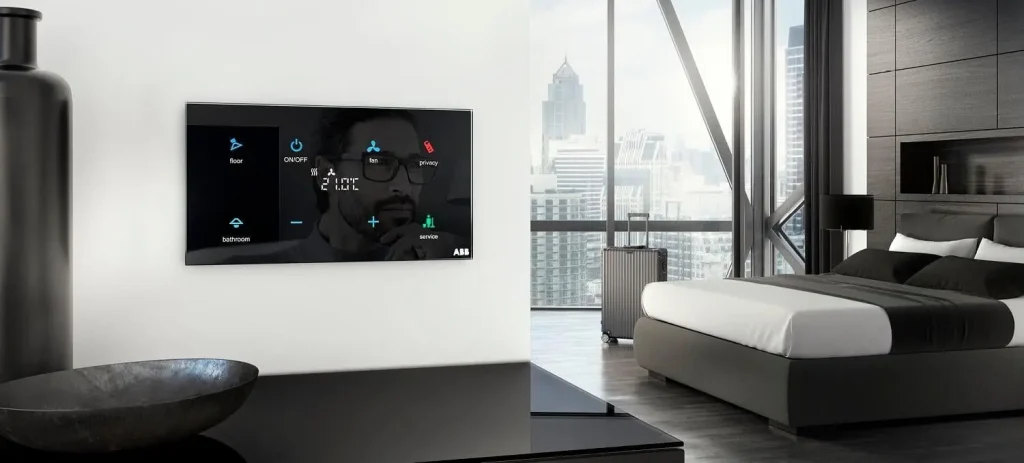
The world of hospitality is rapidly evolving, and technology is at the forefront of these changes. Among the most impactful innovations are hotel room automation systems. These systems aim to provide seamless, personalized guest experiences while simultaneously optimizing hotel operations. From adjusting lighting and temperature to controlling security features, automation systems allow guests to customize their environment with ease.
At its core, hotel room automation integrates various IoT (Internet of Things) devices, sensors, and advanced software solutions. It enables both hotel staff and guests to manage room features remotely or automatically. This technology not only enhances comfort but also boosts energy efficiency, improves security, and helps hotels deliver tailored services to guests.
The rising demand for smarter, more sustainable hotel experiences is driving the adoption of automation systems across the industry. Travelers today expect greater convenience and personalization, and automation systems allow hotels to meet these expectations while staying competitive in an increasingly tech-driven market.
Key Benefits of Hotel Room Automation Systems:
- Enhanced Guest Experience: Personalization of room settings, easy access to amenities, and voice-controlled features make the stay more comfortable.
- Operational Efficiency: Automation reduces manual tasks for hotel staff, allowing for more streamlined operations.
- Energy Savings: Smart systems manage lighting, heating, and cooling to optimize energy consumption, reducing costs and the hotel’s environmental footprint.
- Security and Safety: Advanced security features like keyless entry and automated safety alerts enhance guest safety and reduce the likelihood of human error.
- Data-Driven Insights: Automation systems collect valuable data on guest preferences, allowing hotels to improve services and anticipate needs.
In the sections that follow, we will explore the top hotel room automation systems, their features, costs, and installation processes. We’ll also answer some common FAQs about these systems, helping hoteliers and tech enthusiasts better understand the technology driving the future of hospitality.

10 Best Hotel Room Automation Systems
Oracle Hospitality
Website: Oracle
Target Audience:
Large hotels, luxury resorts, and chains that require advanced, scalable technology solutions.
Geographic Reach:
Global – Oracle Hospitality services hotels around the world, with a strong presence in North America, Europe, and Asia-Pacific.
Overview:
Oracle Hospitality offers an extensive suite of solutions designed for hotels of all sizes. Their hotel automation systems are integrated into their cloud-based property management systems, allowing hotels to control room settings, bookings, and guest interactions all in one place.
Kipsu
Website: Kipsu
Target Audience:
Medium to large hotels, including boutique hotels and chains.
Geographic Reach:
Global, with a particular focus on North America and Europe.
Overview:
Kipsu is a customer service platform that integrates well with hotel room automation systems. Kipsu allows real-time communication between guests and hotel staff, providing personalized service and seamless guest experiences. The platform supports automation features such as room adjustments based on guest preferences.
RevBox
Website: RevBox
Target Audience:
Hotels with a focus on events and conferences, as well as luxury properties.
Geographic Reach:
Primarily North America, expanding to other regions.
Overview:
RevBox is a comprehensive event and room automation system. It integrates temperature, lighting, and AV controls for meeting rooms, and its intelligent system can be extended to hotel rooms. With its powerful management platform, RevBox enhances both guest and event experiences in hotel environments.
Cloudbeds
Website: Cloudbeds
Target Audience:
Small to medium-sized hotels, boutique hotels, and bed-and-breakfasts.
Geographic Reach:
Global, with a strong focus on North America, Europe, and Latin America.
Overview:
Cloudbeds provides a unified property management system that helps hotels streamline operations. The company offers integration with smart technologies that allow room automation features like keyless entry, lighting control, and personalized guest experiences.
Mews Systems
Website: Mews
Target Audience:
Mid-sized hotels, boutique properties, and chains.
Geographic Reach:
Global, with notable presence in Europe and North America.
Overview:
Mews Systems provides a cloud-based property management solution that includes a range of automation features. Their system integrates with IoT devices, enabling room personalization, smart check-ins, and automated service requests. Mews helps hotels boost operational efficiency through automation while providing guests with a tailored experience.
StayNTouch
Website: StayNTouch
Target Audience:
Hotels of all sizes, with a focus on mid-sized and independent hotels.
Geographic Reach:
Primarily North America, with growing global presence.
Overview:
StayNTouch offers a mobile-based property management system with integrated room automation capabilities. Guests can use their mobile devices to control room features, make service requests, and check in or out, all from the palm of their hand. StayNTouch also provides energy management features for sustainability.
Hotel Tech Report
Website: Hotel Tech Report
Target Audience:
Hotel decision-makers and technology buyers.
Geographic Reach:
Global, with a wide-ranging user base of hoteliers from around the world.
Overview:
Hotel Tech Report is a comprehensive platform that reviews and ranks hotel technologies, including room automation systems. While not a product provider itself, it offers valuable insights and reviews of various systems that help hotels choose the best technology for their needs.
Cvent
Website: Cvent
Target Audience:
Hotels with a significant focus on hosting meetings and events.
Geographic Reach:
Global, with significant use in North America and Europe.
Overview:
Cvent is a leader in event management software but also offers room automation systems that integrate seamlessly with event spaces. Their platform enables hotels to manage both guest room settings and event spaces using the same system. Cvent’s automation includes guest room control, meeting room adjustments, and event logistics.
Little Hotelier
Website: Little Hotelier
Target Audience:
Small hotels, inns, and boutique properties.
Geographic Reach:
Global, with a focus on small to mid-sized hotels in Europe, North America, and Australia.
Overview:
Little Hotelier offers a property management system designed for small hotels, bed-and-breakfasts, and boutique properties. It includes basic room automation features such as online check-in, keyless entry, and integration with smart room controls. Little Hotelier focuses on simplifying operations while offering a personalized guest experience.
Harmonik Systems
Website: HarmonikSys
Target Audience:
Mid to large-sized hotels, including those with a focus on sustainability and energy savings.
Geographic Reach:
Primarily focused on the Malaysia region, with expanding presence in other parts of Southeast Asia.
Overview:
Harmonik Systems specializes in IoT-driven room automation systems that provide energy management, lighting control, and guest personalization features. Their systems are designed to help hotels deliver enhanced guest experiences while reducing operational costs and improving energy efficiency.
FAQ about Hotel Room Automation Systems
1. What Are the Purchase and Installation Costs?
The costs for hotel room automation systems can vary widely depending on the features, scale, and complexity of the system. On average, the purchase price can range from a few thousand to tens of thousands of dollars per room. Installation costs will depend on the existing infrastructure of the hotel and the type of automation system being integrated. Many suppliers offer financing or installment payment options to help manage these expenses, making it easier for hotels to budget for automation. It’s advisable to request a detailed quote and explore financing options directly with the automation system provider.
2. How Do Automation Systems Protect Guest Personal Data?
Hotel room automation systems incorporate robust data security measures to ensure guest information remains safe. These include end-to-end encryption, secure data storage, compliance with privacy laws (like GDPR or CCPA), and multi-layer authentication for accessing sensitive information. Many systems also include regular software updates and security patches to address emerging threats. When choosing a system, make sure it complies with industry standards for data security to protect both your guests and your hotel.
3. Can Systems Automatically Adjust Room Settings Based on Customer Preferences?
Yes, modern hotel room automation systems can automatically adjust room settings such as lighting, temperature, curtains, and even entertainment preferences based on guest profiles or previous interactions. By integrating with the hotel’s management system, these devices can learn guests’ preferences and automatically apply them during their stay. This creates a more personalized and comfortable experience, improving guest satisfaction.
4. What Are the Current Market Trends in Hotel Automation Systems?
The hotel automation industry is rapidly evolving. Key trends include the integration of AI to enhance personalized guest experiences, the adoption of voice-controlled systems (like Alexa or Google Assistant), and sustainability features such as energy-efficient temperature and lighting controls. Many competitors are adopting similar technologies to stay competitive, and automation is increasingly seen as a standard offering rather than a luxury. The rise of contactless check-ins, smart room management, and seamless integration with mobile apps are also shaping the market.
5. Can the System Be Easily Scaled When Expanding or Adding Rooms?
Yes, one of the benefits of modern hotel room automation systems is their scalability. Most systems are designed to be modular, allowing easy expansion as the hotel grows. Whether you’re adding a few rooms or expanding to a new building, the system can typically be adjusted to accommodate the additional space with minimal disruption. Be sure to consult with the automation provider about the scalability of the system you’re considering, ensuring it can handle future expansions seamlessly.
This detailed exploration of hotel room automation systems highlights how technology is reshaping the hospitality industry. From increased operational efficiency to enhanced guest experiences, automation is becoming an essential part of modern hotels. With many providers offering customizable solutions, the future of hotel automation looks promising, and hotels adopting these technologies are setting themselves up for success in the increasingly competitive market.